DENTAL HOLIDAYS SPAIN
Find your best dental option in Spain
HOME
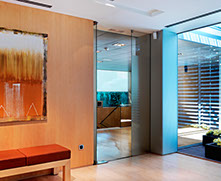
BARCELONA
A window to Europe where they live creativity and art, accompanied by a wide range of cuisine.
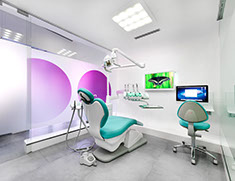
IBIZA
Discover a paradise in the middle of the Mediterranean Sea, with all the charm of its landscapes and the authenticity of its people.
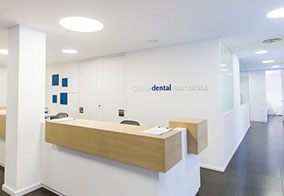
MALAGA
Millennial and cosmopolitan. The emerging Andalusian capital of culture and art.
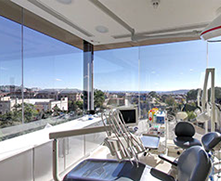
VALENCIA
City of Arts and Sciences. Blend of tradition and modernity, with an incredible touristy offer.

BARCELONA
A window to Europe where they live creativity and art, accompanied by a wide range of cuisine.

IBIZA
Discover a paradise in the middle of the Mediterranean Sea, with all the charm of its landscapes and the authenticity of its people.
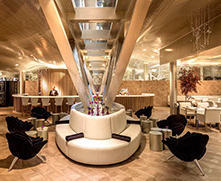
MALAGA
Millennial and cosmopolitan. The emerging Andalusian capital of culture and art.
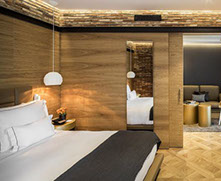
VALENCIA
City of Arts and Sciences. Blend of tradition and modernity, with an incredible touristy offer.
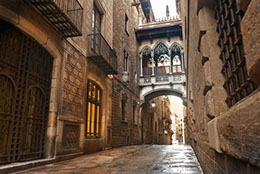
BARCELONA
A window to Europe where they live creativity and art, accompanied by a wide range of cuisine.

IBIZA
Discover a paradise in the middle of the Mediterranean Sea, with all the charm of its landscapes and the authenticity of its people.

MALAGA
Millennial and cosmopolitan. The emerging Andalusian capital of culture and art.

VALENCIA
City of Arts and Sciences. Blend of tradition and modernity, with an incredible touristy offer.
CLINICS
HOTELS
EXPERIENCES
TREATMENTS
CONTACT

PERIODONTICS
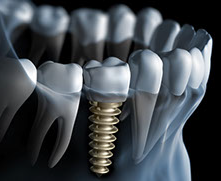
PERIODONTICS IS THE SPECIALTY THAT IS RESPONSIBLE FOR PREVENTION, DIAGNOSE AND TREATMENT OF DISEASES THAT AFFECT THE TISSUES THAT SERVE AS THE FOUNDATION FOR THE TEETH.
PERIODONTAL DISEASES
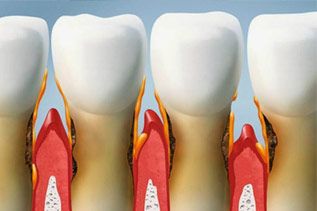 Periodontal diseases are a group of diseases that affect the tissues surrounding and holding the teeth to the jaws. Usually originated by bacterial infections, they can cause inflammation and bleeding gums.
We call this disease gingivitis when the inflammatory process affects only the gingiva and not the tissue holding the teeth.
On the other hand, we call it periodontitis when the inflammatory process affects deep periodontal tissue resulting in destruction of the bone and ligaments that holds the teeth. If not treated early on, this disease ends up destructing all the support of the teeth, ending up with its decay and fall.
Periodontal treatment goes through three distinct phases: a first Phase treating the inflammation, a surgical phase and the maintenance phase.
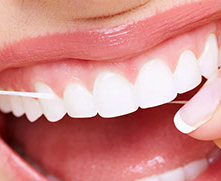
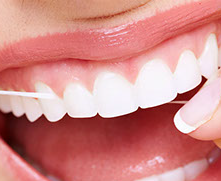
- First phase, inflammation treatment: periodontal disinfection, consisting of several sessions of scaling and root planning to decontaminate the tooth root. Beforehand we need to perform X-rays and a detailed study of each tooth with an electronic probe (probe Florida) that will tells us the degree of inflammation, recession, mobility and other key information to assess what treatment is best. Based on this data we will establish guidelines for the actions that need to be done following the tailored treatment. It is also essential to instruct the patient on the best brushing techniques and interdental hygiene.
Once this scraping is completed, we will proceed to do a microbiological analysis to determine if there is any “unusually aggressive” bacteria that caused inflammation and bone loss. This will help us determine whether to use antibiotics or not, and what specific antibiotic is needed. We can also carry out a genetic analysis to assess the predisposition to this disease. This will help us anticipate possible complications, and take appropriate decisions for the future. After this first phase, we must conduct a periodontal evaluation again so we can assess the response to treatment and whether or not to perform surgery.
- Surgical Phase: is the only phase that does not need to be done with all patients. If after completion of the scrapings there are residual pockets left, we will have to remove them so they cannot be re-colonized by bacteria. At the same time, if the possibility exists, we will proceed to regenerating lost tissue by using membranes or matrix derivative from the tooth enamel, in this way recessions are covered by gum grafts on the teeth that need this.
- Maintenance Phase: This phase is critical in the treatment of gum disease; if this phase is not respected and met we cannot ensure the success of the treatment. The maintenance is carried out by hygienists supervised by the periodontist. The plate and the supra and subgingival calculus are removed by using ultrasound and mini curettes to deepen the gum. The areas that retain plaque and the possible relapse zones are detected. The amount of times you should have this maintenance procedure done depends on the type of periodontal disease, the age of the patient, if its is a smoker or a non-smoker and the patient's ability with teeth brushing.
HOME
BARCELONA
A window to Europe where they live creativity and art, accompanied by a wide range of cuisine.
IBIZA
Discover a paradise in the middle of the Mediterranean Sea, with all the charm of its landscapes and the authenticity of its people.
MÁLAGA
Millennial and cosmopolitan. The emerging Andalusian capital of culture and art.
VALENCIA
City of Arts and Sciences. Blend of tradition and modernity, with an incredible touristy offer.

BARCELONA
A window to Europe where they live creativity and art, accompanied by a wide range of cuisine.

IBIZA
Discover a paradise in the middle of the Mediterranean Sea, with all the charm of its landscapes and the authenticity of its people.
MÁLAGA
Millennial and cosmopolitan. The emerging Andalusian capital of culture and art.
VALENCIA
City of Arts and Sciences. Blend of tradition and modernity, with an incredible touristy offer.
BARCELONA
A window to Europe where they live creativity and art, accompanied by a wide range of cuisine.

IBIZA
Discover a paradise in the middle of the Mediterranean Sea, with all the charm of its landscapes and the authenticity of its people.
MÁLAGA
Millennial and cosmopolitan. The emerging Andalusian capital of culture and art.
VALENCIA
City of Arts and Sciences. Blend of tradition and modernity, with an incredible touristy offer.
CLINICS
HOTELS
EXPERIENCES
TREATMENTS
CONTACT

© 2016. All rights reserved.


